- About
- Acupuncture
- MoreHide


When your body is out of alignment, it tends to show up in ways that are hard to ignore—pain, stiffness, limited movement, or recurring tension that doesn’t fully resolve. Chiropractic care focuses on restoring proper alignment and function so your body can operate the way it’s meant to.
By working with the spine, joints, and surrounding muscles, these treatments aim to reduce strain on the nervous system and improve how everything moves together. Techniques like spinal adjustments and dry needling are used with intention, helping address both the source of discomfort and the patterns that keep it coming back.
Whether you’re dealing with acute pain or something more persistent, care is tailored to support long-term function—not just short-term relief.
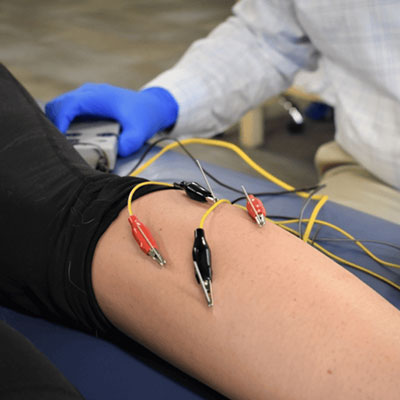
Dry needling is a safe technique for treating many musculoskeletal conditions, including shoulder pain, rotator cuff pain, biceps tendinitis, iliotibial band syndrome, Achilles tendinitis, low back pain, tennis elbow, whiplash or neck pain, headaches, muscle strains, hip pain and temporomandibular pain, also called TMJ.
Benefits of Dry Needling
About Dry Needling
You may have heard of a treatment called dry needling and wondered what it is or if it’s right for you. While the name of the procedure may sound intimidating, dry needling is an accessible and commonly offered therapy for people with muscle, ligament or tendon pain.
During a dry needling treatment, one or more thin, monofilament needles are inserted into a muscle trigger point. A trigger point is a local band of tight, irritable and dysfunctional muscle tissue. This often emerges because of injury, overuse or poor movement patterns.
Trigger points can disrupt your muscle function, restrict your range of motion or cause pain and tenderness. Chiropractors, Physical therapists or licensed acupuncturists perform an in-depth evaluation to determine if dry needling is appropriate. Then they discuss your symptoms while assessing mobility and muscle function to determine if trigger points are contributing to symptoms.
When dry needling is applied to an affected muscle or trigger point, it can decrease muscle tightness, increase blood flow and reduce pain. Patients often report immediate relief after treatment. The needles remain in your muscle for a short period of time — between 10 seconds and 20 minutes — during treatment. This depends on the treatment location, number of needles used and treatment goals.
Dry needling usually is paired with exercise and other physical therapy techniques to prevent trigger points from reoccurring.
The needles used are solid and don’t inject liquid into your body. It’s the reason this treatment is referred to as “dry.” All forms of acupuncture use dry needles as well.
Dry needling is a safe technique for treating many musculoskeletal conditions, including shoulder pain, rotator cuff pain, biceps tendinitis, iliotibial band syndrome, Achilles tendinitis, low back pain, tennis elbow, whiplash or neck pain, headaches, muscle strains, hip pain and temporomandibular pain, also called TMJ.
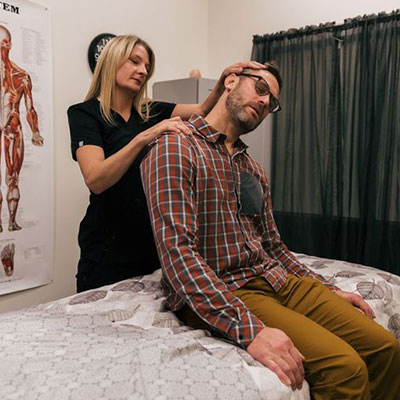
hiropractic care is a healthcare profession that cares for your neuromusculoskeletal system—the bones, nerves, muscles, tendons, and ligaments.
Benefits of Chiropractic Care
About Chiropractic Care
Chiropractic care is a healthcare profession that cares for your neuromusculoskeletal system—the bones, nerves, muscles, tendons, and ligaments. A chiropractor helps manage back and neck pain through the use of spinal adjustments to maintain good alignment.
Chiropractic care focuses on the body’s ability to self-heal and includes other treatments like nutrition and exercise.
By improving the neuromusculoskeletal system’s ability to perform, Chiropractors believe the benefits of spinal adjustment and realigning joints improve the functioning of other systems throughout the body.
From targeted care to full-body wellness, we’re here to help you move, feel, and function better.