- About
- Acupuncture
- MoreHide


Thousands of years ago the practice of acupuncture emerged in China. It is an intricate medical practice of examining, diagnosing and treatment. In order to rectify the qi flow of the patient, a practitioner of acupuncture uses very fine needles at specific points to access a tapestry of qi pathways moving throughout the human body. In the process of calming the nervous system, acupuncture can help regulate pain, reduce tension, and restore a sense of internal balance.
Acupuncture is widely used today as both a targeted treatment and a broader wellness tool. It can be especially helpful for managing chronic discomfort, stress, and patterns that don’t fully respond to more conventional approaches. Whether you’re looking for relief from a specific issue or support for your overall well-being, acupuncture provides a low-impact, thoughtful way to help your body reset and function more smoothly over time. Often treatments are combined with Cupping, Gua Sha, Tui Na, and Moxibustion.
Acupuncture has evolved with the advances of science and technology, just as Western Medicine has. Today both of these health practices have access to new tools and technology.
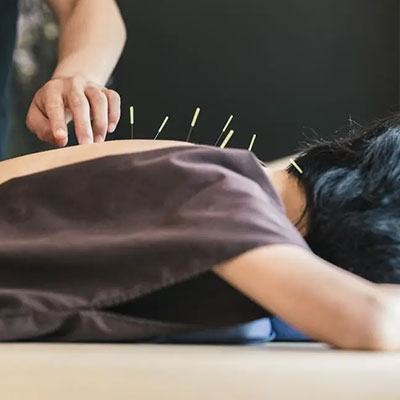
Acupuncture involves the insertion of very thin needles through your skin at strategic points on your body. A key component of traditional Chinese medicine, acupuncture is most commonly used to treat pain. Increasingly, it is being used for overall wellness, including stress management.
Acupuncture actions
· Causes the brain to release neuropeptides, these tiny neurons facilitate communication between effector cells and neurons. This in turn can stimulate healing processes in the body.
· Stimulate the production of endorphins to help the body manage pain.
· Assist the body in the release of vasodilators that cause your blood vessels to relax.
· Create balance between the parasympathetic and sympathetic aspects of the autonomic nervous system
How to prepare for an acupuncture treatment
· Wear comfortable, loose fitting clothing, sometimes shorts are recommended depending on the area of the body needing attention.
· Inform your acupuncturist if you are on blood thinners, have a pacemaker, an insulin pump, or other mechanical devices implanted into your body.
· Eat a light meal one to two hours before your appointment.
· Your practitioner will take your pulses, do not be alarmed if it takes a little longer than Western pulse reading. They are searching for much more than heart rate. Pulse taking ascertains the quality of Qi, blood and essence, along with the flow between they many channels of qi and their movement through the body.
· Don’t brush your tongue. Acupuncturists assess the tongue body, color and coat as part of the diagnosis.
· Remember to relax and breathe deeply and enjoy your treatment.
From targeted care to full-body wellness, we’re here to help you move, feel, and function better.